
John Shanahan
Seeing the Sun Every Day
The real pros and cons of moving to Lakewood Ranch.
Home › Pros and cons
John Shanahan, Realtor with Compass Florida and leader of the Living in Lakewood Ranch Group. November 11, 2026.
Imagine stepping outside in the middle of January and feeling actual sunlight on your face instead of bracing against another gray, freezing morning. No seasonal affective disorder creeping in. No staring at a weather app hoping for a break in the clouds. Just consistent, reliable sunshine that makes it almost automatic to get outside.
That’s the core of the Lakewood Ranch pitch, and for a lot of people it’s not marketing hype. It’s the single biggest reason the move feels transformative.
The lifestyle upgrade that actually changes how you feel
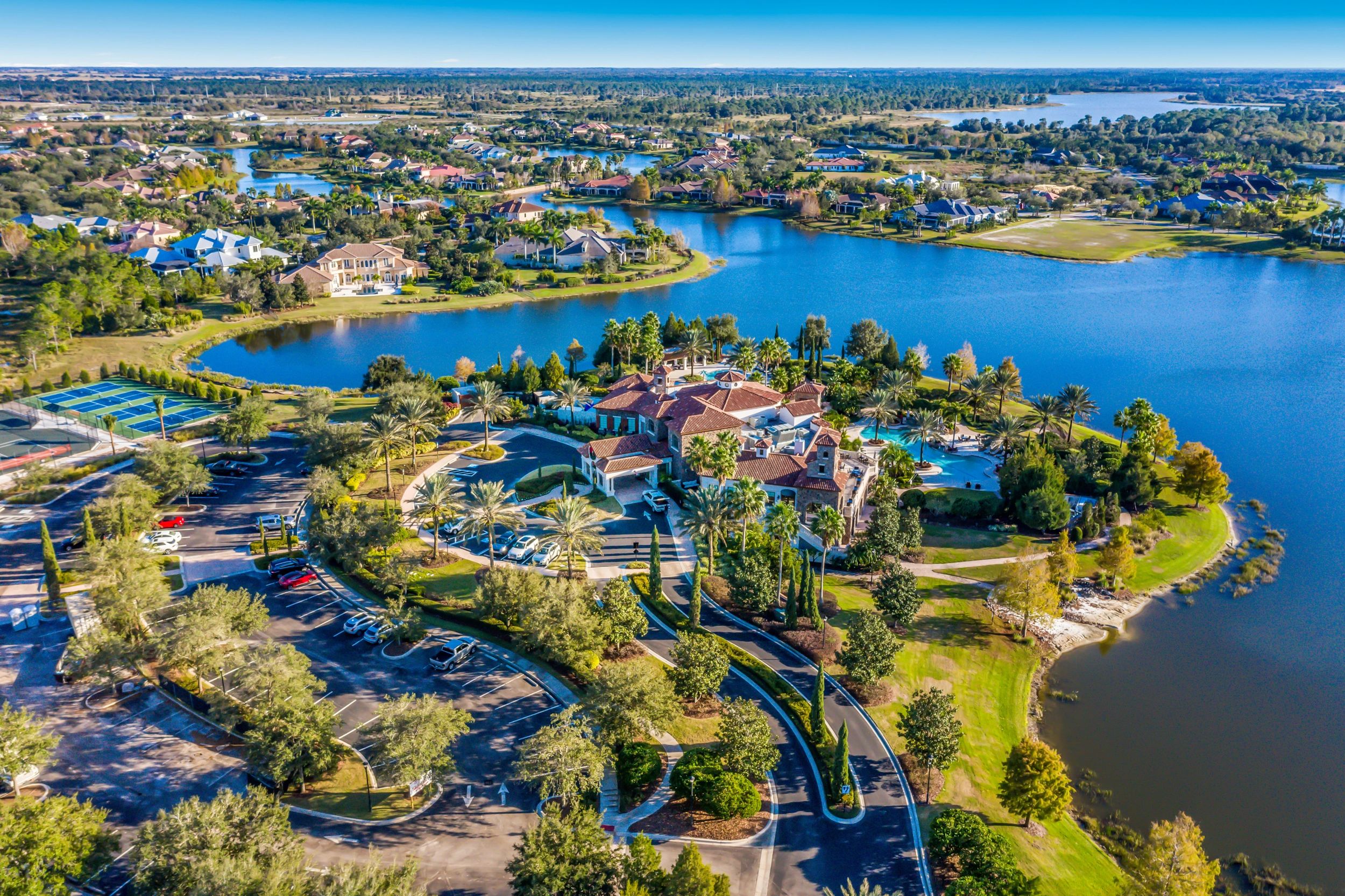
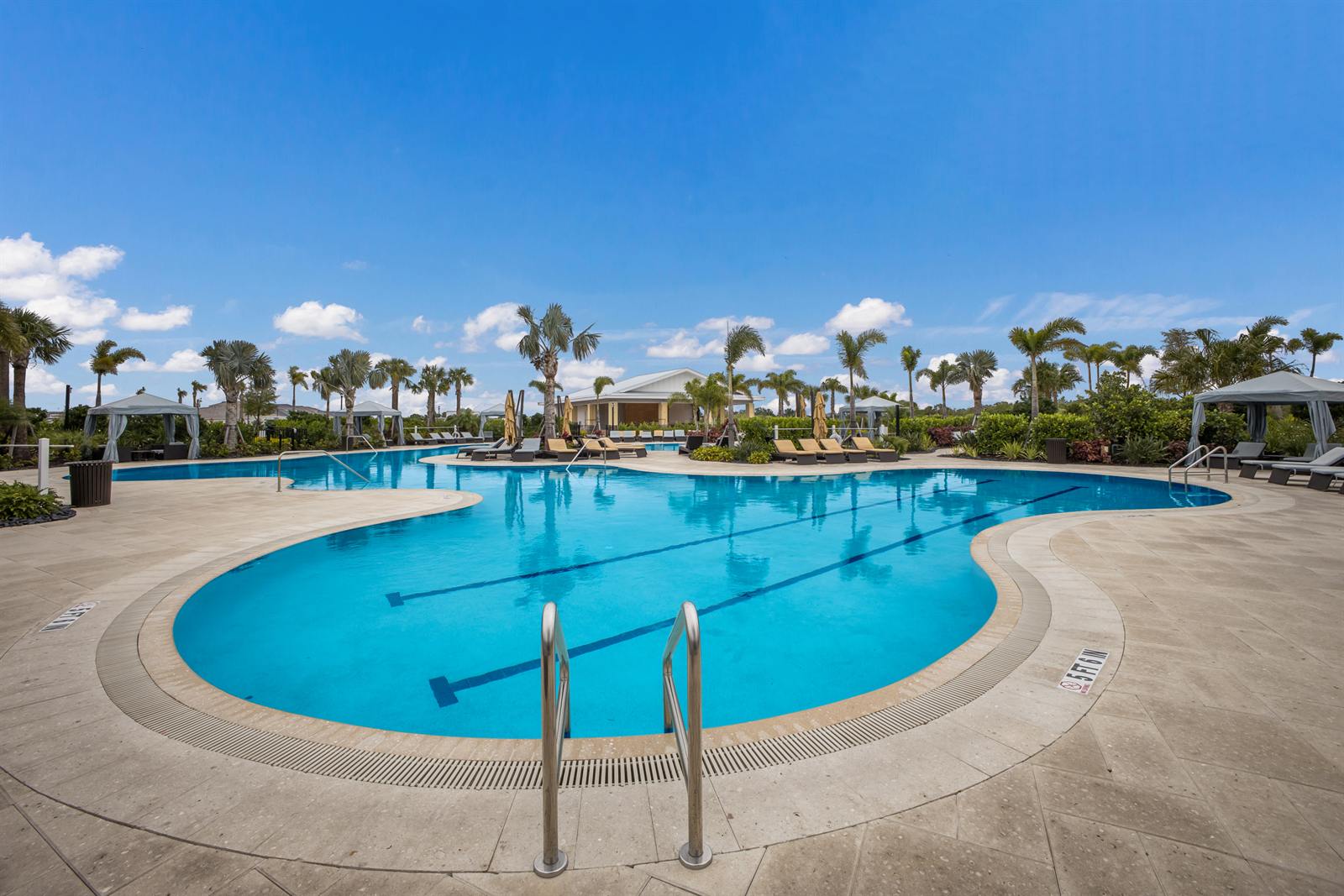
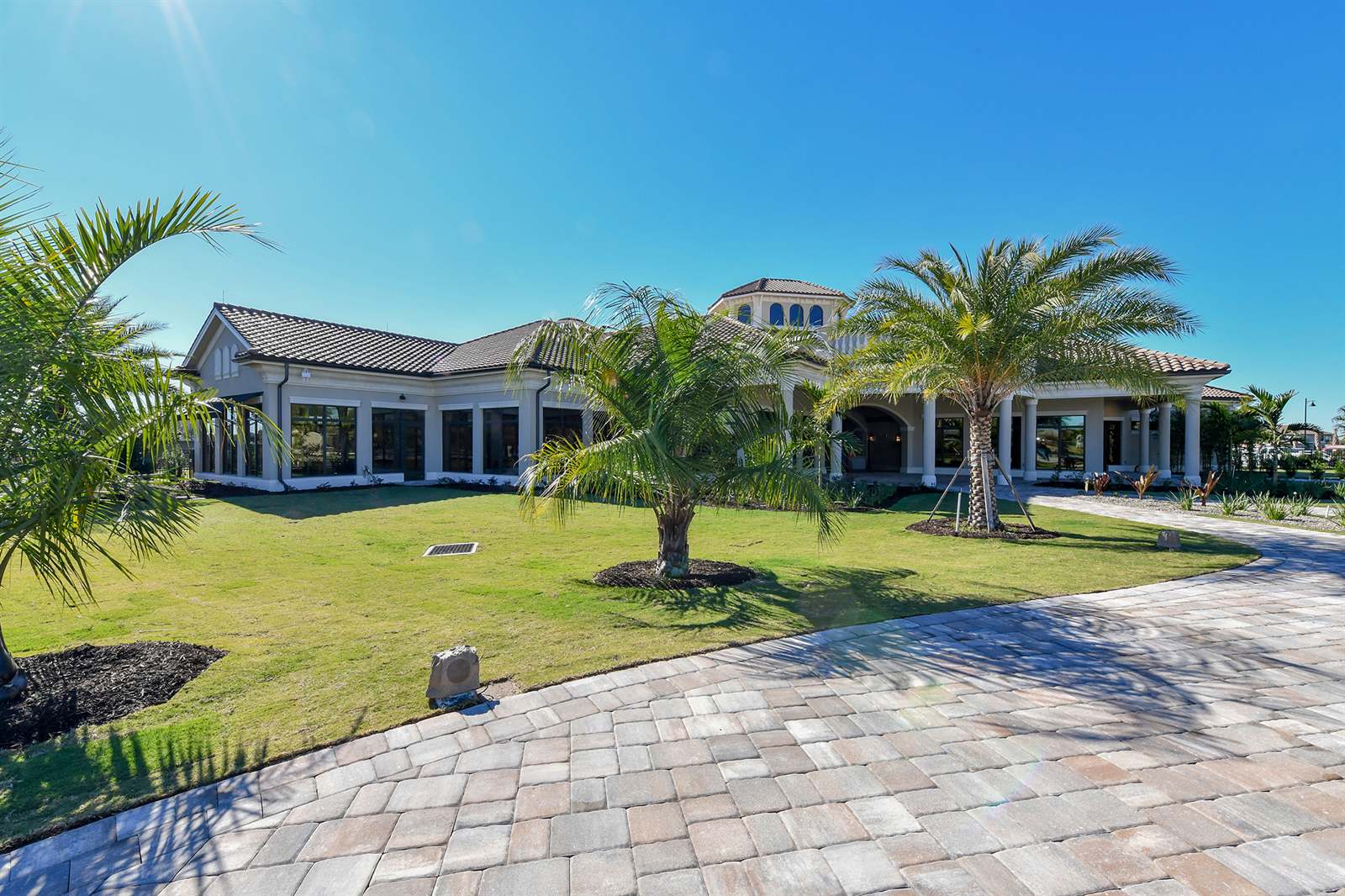
Lakewood Ranch is a massive master-planned community (often ranked among the top in the country) built around outdoor living. Roughly 40% of the land is open space. There are 150+ miles of trails that connect villages, parks, and lakes. Resort-style pools, pickleball and tennis complexes, golf, fitness centers, and a packed calendar of community events are standard.
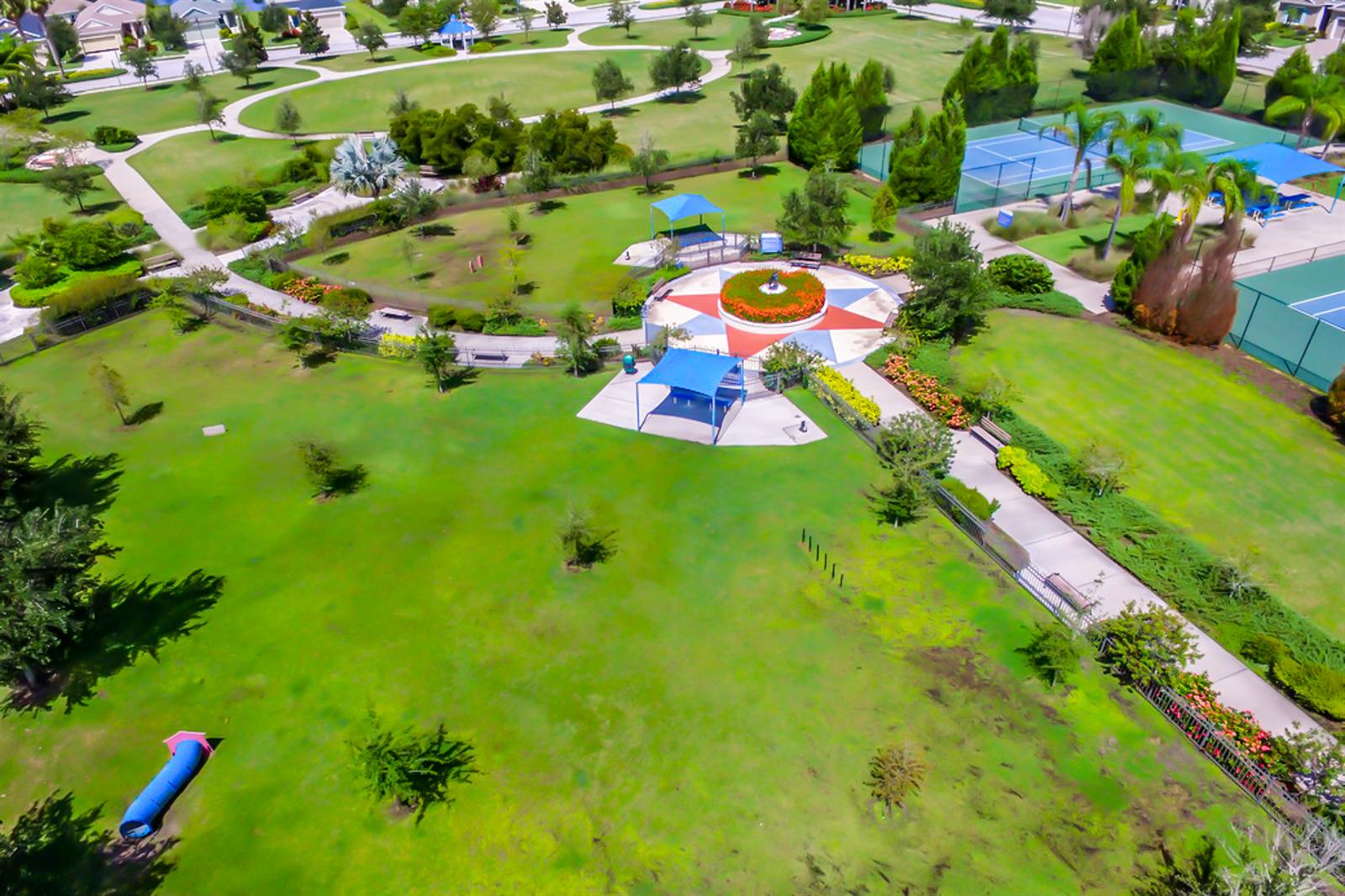
The design does something subtle but powerful: it makes the active, outdoor lifestyle the path of least resistance. You don’t have to drive 20 minutes to find a decent place to walk or bike. The trails are right there. The farmers market at Waterside Place (frequently ranked as one of the best in the state or nation) happens on Sundays. Music on Main and other events pull people outside regularly.
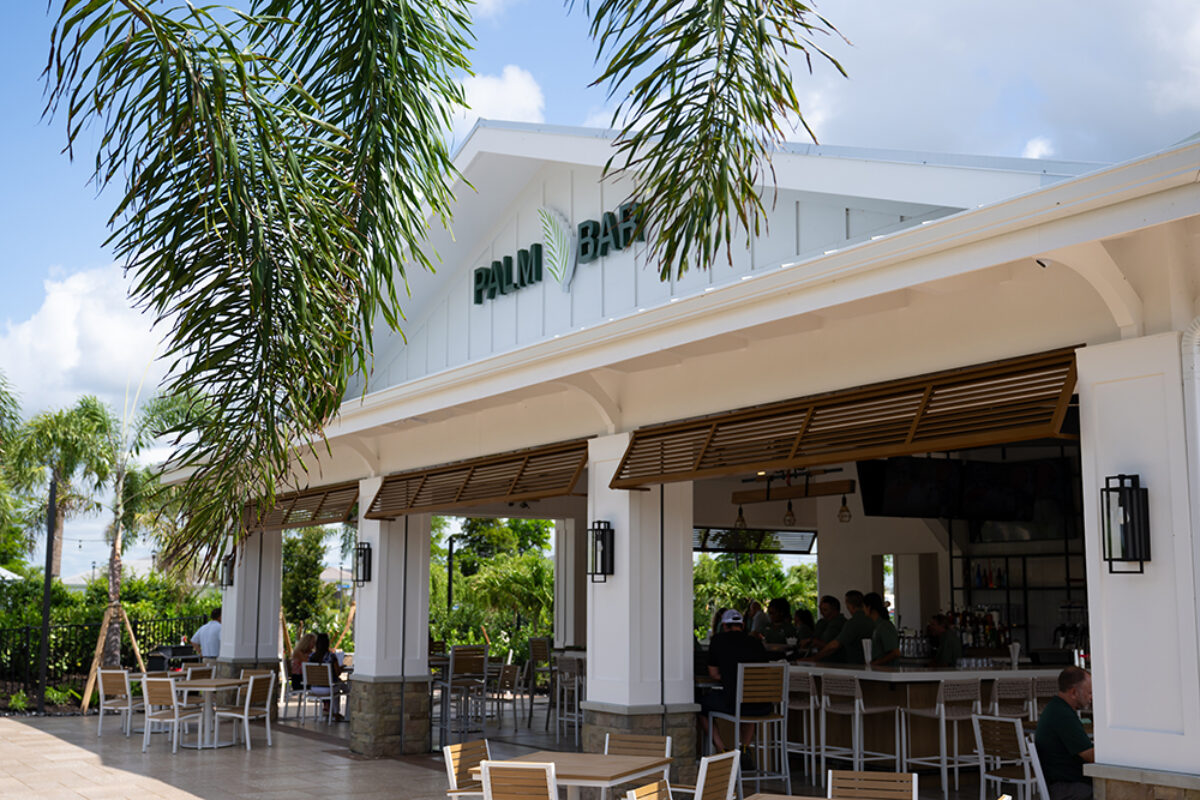
Pair that infrastructure with Florida’s sunshine (Bradenton and Sarasota typically see well over 240 sunny or partly sunny days a year) and daily life shifts. More vitamin D. More movement. More spontaneous socializing. More time outside in the dry season (roughly October through May), when the weather is genuinely excellent. For people coming from northern climates, the psychological lift is often the thing they talk about most. The sun doesn’t just improve the weather; it improves the default mood and energy level.
This is the pro that tends to outweigh a lot of the other considerations for the right person. It’s not about one amenity. It’s about the cumulative effect on how you spend your days and how you feel doing it.
Other real advantages
- Strong schools (mostly A-rated public options plus private and charter choices) and a heavy family/active-adult demographic.
- Modern housing stock with impact windows, updated systems, and a range of styles from more modest villages to higher-end golf and waterfront sections.
- No state income tax.
- Convenient access to Sarasota, Bradenton, SRQ airport, and the Gulf beaches (typically 20–45 minutes depending on your village and traffic).
- A built-in social infrastructure. Clubs, events, and neighborhood programming make it easier to meet people than in many places, which matters when you’re starting over.

The trade-offs (they’re real)
Traffic
This is the most consistent complaint. Growth has outpaced the roads in places. University Parkway, Lakewood Ranch Boulevard, Lorraine Road, and stretches of I-75 get congested during rush hour and especially during season (roughly November through April). It’s not always gridlock, but it’s predictable and can turn a short errand into a longer one. Timing matters, and some people eventually adjust their routines around it. Others find it genuinely irritating.
Different food options
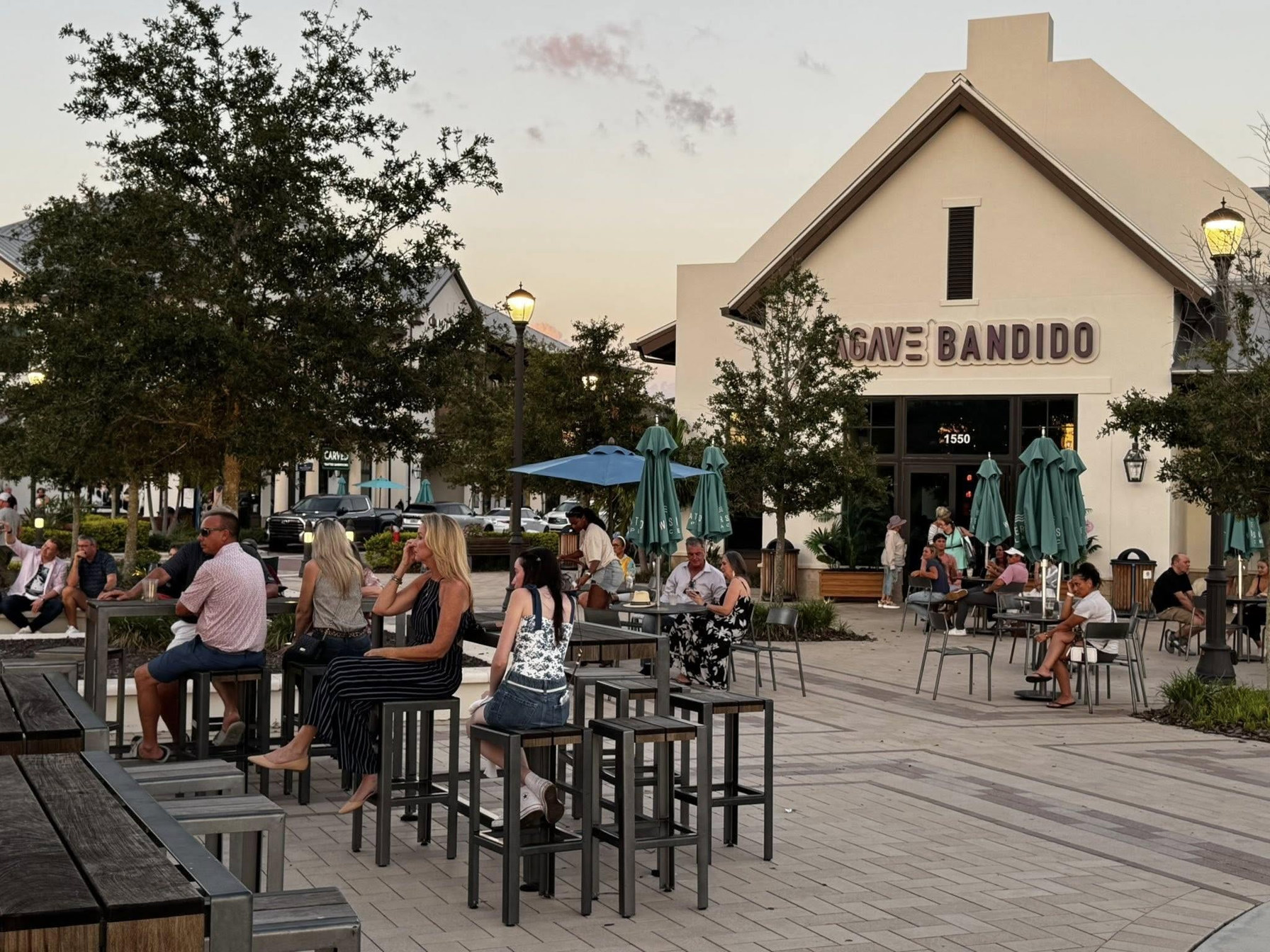
The dining scene has improved a lot. There are solid Italian spots, seafood places, Thai, Korean-American steakhouses, BBQ, and more across Main Street, Waterside Place, and nearby plazas. The farmers market helps with fresh local options. Still, it’s not the deep, varied, late-night food culture of a major city. You’ll find more chains and suburban-style restaurants than authentic hole-in-the-wall ethnic spots or places open past 10 p.m. For some people this is fine. For others who love exploring food, it feels limited.
Losing old friends (and the work of making new ones)
This is the quiet one that hits harder than people expect. Video calls and occasional visits don’t fully replace proximity. The community events and amenities do make it easier to build a new social circle than in a random suburb, but it still takes effort and time. Some people thrive on the fresh start. Others feel the absence of their old network more than they anticipated.
Additional practical cons include HOA and Community Development District (CDD) fees that add meaningfully to the monthly cost (often hundreds per month plus annual assessments), higher overall home prices than many surrounding areas, summer heat and humidity that push outdoor activity to early mornings and evenings, and a car-dependent layout. Some residents also find the highly planned, manicured aesthetic a bit sterile or cookie-cutter compared to older, more organic neighborhoods.
Is it worth it?
Lakewood Ranch works extremely well for people who prioritize an active outdoor lifestyle, strong community amenities, good schools, and the consistent mental lift of sunshine and mild winters. The combination of trails, pools, events, and weather can genuinely improve daily happiness for the right personality.
It works less well for people who need rich urban food and nightlife, walkable character-filled neighborhoods, or who are especially sensitive to traffic and fees. The inland location also means beach days are a drive rather than a walk.
The sunshine and lifestyle piece is the real differentiator for many. If that shift in how you live and feel day-to-day is the main thing you’re after, the other trade-offs often feel manageable. If it’s not, the traffic, costs, and quieter food scene become harder to overlook.
The village is the decision. The house comes after.